
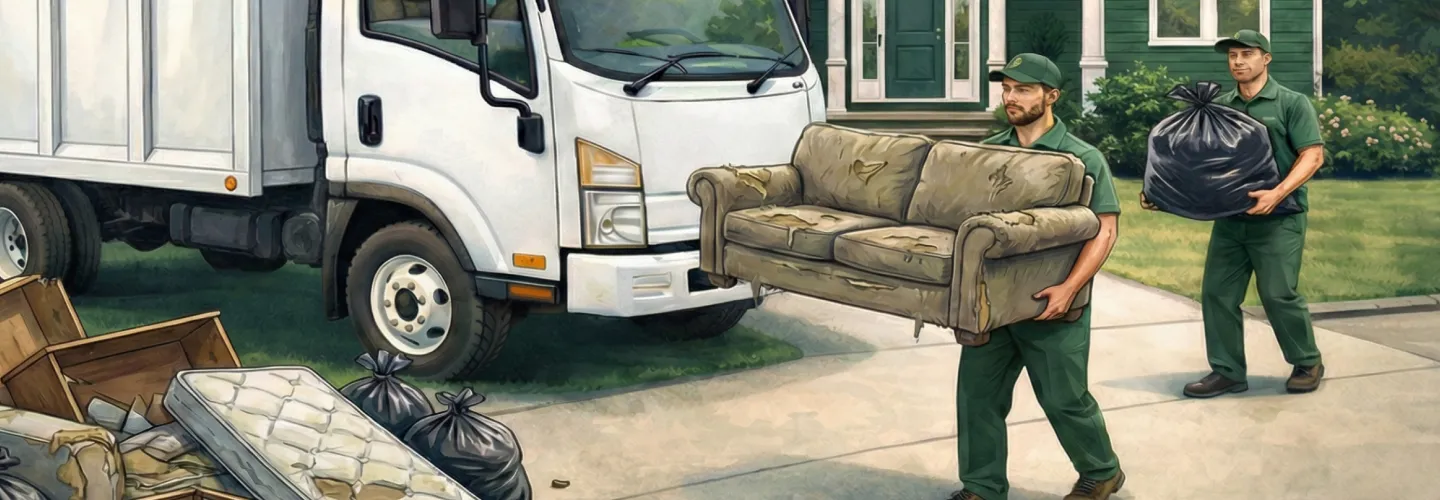
Waltham Construction Waste Management Services
Choose us for your construction waste management needs and experience reliable, eco-friendly disposal, transparent pricing, and a team dedicated to keeping your project on schedule and your site clean.
Get a Free QuoteOur Waltham Junk Removal Services
Construction Waste Management in Waltham, MA – Local Service Guide
Construction waste management in Waltham, MA, requires a tailored approach for both residential and commercial needs. In neighborhoods like Cedarwood and Piety Corner, residents often need to dispose of items such as old furniture, appliances, or hot tubs during seasonal cleanouts, home renovations, or after major life events. Local options include donation, recycling, or scheduled pickups, with logistics shaped by property access and weather—especially during snowy winters or spring cleanups. For residential spaces like garages, basements, and yards, cleanouts often follow storms or coincide with city trash pickup schedules, particularly in areas prone to flooding or with heavy tree coverage.
Commercial clients in downtown Waltham or along Moody Street face industry-specific waste needs, from office renovations to restaurant upgrades. These projects demand careful timing, discretion, and coordination to minimize business disruption. Specialty services—such as dumpster rentals for construction debris or estate cleanouts—require advance planning and compliance with local regulations. For more on local rules and resources, visit the City of Waltham official website.
Key Considerations for Construction Waste Management in Waltham
- Timing projects around local weather and city pickup schedules
- Securing necessary permits for large-scale disposals
- Choosing proper disposal or recycling channels for different materials
- Ensuring site access for trucks and equipment, especially in tight neighborhoods
- Estimating waste volume to select the right service size
- Coordinating with local providers for category-specific items
Benefits of Construction Waste Management in Waltham
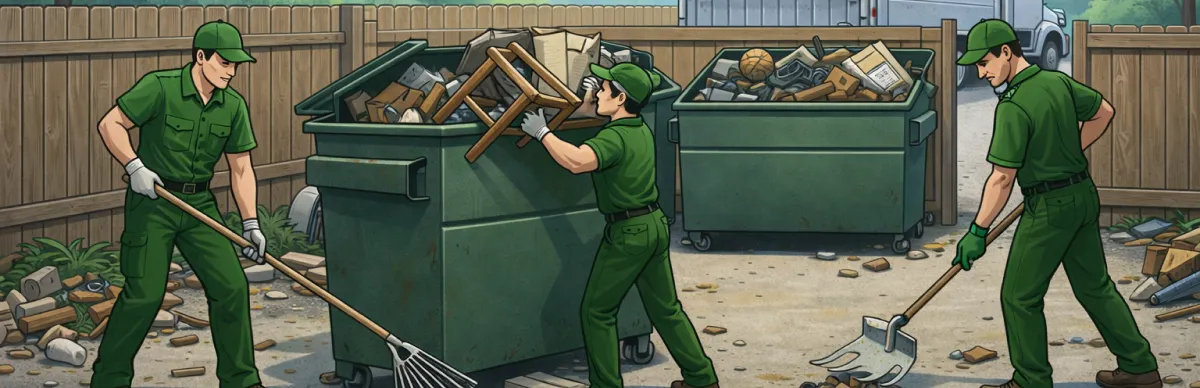
Efficient Site Cleanup
Regulatory Compliance
Cost-Effective Waste Disposal
Eco-Friendly Practices
Improved Project Safety
Streamlined Waste Sorting
Coordinating Construction Waste Disposal with Waltham’s Department of Public Works
Construction waste in Waltham does not move through the regular household trash system. The city’s Construction Waste Disposal guidance separates building debris from ordinary curbside collection, and the Waltham Public Works Department oversees the broader local structure that includes recycling, street operations, water and sewer, and related public works functions. For renovation, tear-out, and contractor-generated debris, the practical starting point is to sort material by category and keep it out of household trash barrels and recycling carts.
- Construction debris does not belong in regular curbside trash or recycling
- Material should be separated before removal begins
- Ordinary household disposal rules do not apply to renovation and demolition loads
- Large cleanups usually require private hauling or another non-curbside disposal route
Waltham Public Works Department
Phone: (781) 314-3800
Official Website: Waltham Public Works Department
Construction and demolition material is handled under a different set of rules from weekly household collection. That distinction is especially important on mixed projects where a property contains both everyday trash and renovation debris.
Understanding Waltham’s Construction Debris Recycling and Landfill Ban Requirements
The city’s Construction Waste Disposal page identifies asphalt pavement, brick, concrete, metal, wood, clean gypsum wallboard (drywall), and toilets as materials that require separate disposal. Those items should not be placed in household trash barrels or recycling carts. Massachusetts disposal-ban policy adds a second layer of control for many construction-related materials, and broader state guidance appears through the Massachusetts Department of Environmental Protection and the MassDEP Waste Disposal Bans.
- Asphalt, brick, concrete, metal, wood, drywall, and toilets require separate handling
- Municipal trash and recycling are not the correct outlet for construction debris
- State disposal-ban rules affect how many building materials must be managed
- Sorting by material type helps avoid improper disposal
- Local construction-waste guidance and state waste-ban rules should be read together
Permitting and Legal Requirements for Construction Waste Removal in Waltham
Permit issues usually come into play when construction waste removal is part of a larger building, demolition, or renovation project. The Building Department is the main city contact for building-related questions, inspection scheduling, zoning complaint enforcement, and nuisance complaint enforcement. On projects that generate both household contents and structural debris, keeping those streams separate from the start makes code compliance much easier.
- Building-related questions are handled through the Building Department
- Inspection scheduling is listed at (781) 314-3275
- Zoning Complaint & Enforcement and Nuisance Complaint & Enforcement are listed at (781) 314-3287
- Construction debris should be identified early so it is not mixed with household waste
- Mixed debris loads can trigger delays when materials are not sorted properly
Building Department
Phone: (781) 314-3275
Zoning Complaint & Enforcement: (781) 314-3287
Official Website: Building Department
Projects that involve demolition or major tear-out should be treated as building-related work, not as an extension of weekly residential trash service.
Safe Handling and Environmental Compliance for Hazardous Construction Materials
Hazardous construction material should never be mixed into ordinary debris loads. Paints, solvents, chemicals, mercury-containing products, and similar regulated items belong in separate disposal channels such as the Household Hazardous Waste / Register for Minuteman dates program rather than in regular trash or mixed construction debris. When renovation work affects pre-1978 painted surfaces, the federal EPA Lead-Safe Renovation Rule becomes an important compliance point.
- Hazardous products should be removed from the debris stream before hauling
- Household hazardous waste follows a separate local disposal route
- Regulated materials require different handling from ordinary demolition debris
- Pre-1978 renovation work may require lead-safe practices
- Clean separation of waste types reduces environmental and compliance risk
What Neighborhoods Do We Serve Throughout Waltham, MA?
Downtown Waltham: High-density commercial and residential core with limited street parking; coordination with city parking permits is often required for curbside removal.
Piety Corner: Historic district with older homes and narrow, winding streets; special permits may be needed for demolition debris and large vehicle access.
The Lanes: Suburban area featuring wide driveways and detached garages; ideal for large appliance and furniture removal projects.
Cedarwood: Predominantly single-family homes with mature landscaping; seasonal yard waste and spring cleanouts are common.
South Side: Mix of multi-unit buildings and single-family homes; move-out season generates increased waste volume, especially near Brandeis University.
Lakeview: Residential neighborhood adjacent to Hardy Pond; access may be limited during winter due to snow accumulation and narrow roads.
Warrendale: Family-oriented area with mid-century homes; frequent estate cleanouts and renovation debris removal.
Banks Square: Commercial and retail hub; ongoing needs for business waste management and bulk item disposal.